

If you owned an NES in the mid-1980s, there’s a good chance you never actually bought Super Mario Bros. You just had it. Nintendo packed the game in with the console starting in 1985, then doubled down in 1988 by bundling it with Duck Hunt as part of the Action Set. That single business decision is a huge reason the original NES release sold more than 40 million copies worldwide, with another 18 million or so added once you count ports and re-releases. Whether the goal was “sell a great game” or “sell a console,” Super Mario Bros. did both at once, and it’s the reason most historians credit it with helping pull the industry out of the 1983 crash.
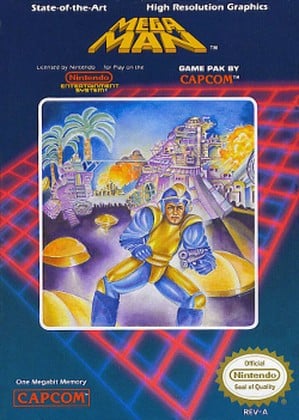
Two years later, Capcom tried the opposite strategy with Mega Man. No console bundle. No guaranteed shelf presence. Just a rushed U.S. localization and a cover reportedly painted by an artist with little time and no real look at the actual game. The result was a stiff, oddly proportioned hero holding a gun he never fires in-game, in a pose nobody who’d played it would recognize. Fans nicknamed it “Bad Box Art Mega Man” years later, and it’s stuck around as one of gaming’s favorite running jokes. Sales were rough when the game hit stores in December 1987, and Capcom itself has pointed to that cover as part of the reason.
Here’s what keeps this from being a rout: the people who did play Mega Man loved it. The game let you choose which of its six Robot Master stages to tackle first, in any order you wanted, which was a genuinely novel structure for an action game at the time. Critics praised the difficulty and the design even when the box scared off the general public. Capcom kept betting on the series anyway. By Mega Man 2 in 1988, the box art got a serious upgrade and sales followed, and the franchise has gone on to sell north of 40 million copies since.
So which one wins the debate? It depends what you’re grading. On commercial dominance and cultural footprint, it isn’t close. Mario is arguably the most recognized video game character on the planet, and Super Mario Bros. still shows up on best-selling-games lists forty years later. But if you’re looking for the better underdog story, the game that clawed its way to legendary status from behind one of the worst covers ever printed, Mega Man wins that one easily.
It shows up in the collector market too. Pack-in Mario copies exist by the millions, which keeps loose and complete copies affordable even in high grade, while an early, factory-sealed print can still pull serious money at auction on rarity alone. Mega Man’s disastrous first run cuts the other way: fewer people bought it new based on that cover, so clean early copies are scarcer than the game’s later reputation would suggest. Anyone curious what a graded copy of either one is actually worth right now can browse real examples in our gallery of graded video games.
We covered Mario’s launch-era stablemates recently in our ranking of the ten best NES Black Box games, where Super Mario Bros. topped the list. Mega Man never got a Black Box release; it arrived after Nintendo had already moved on to the standard grey NES box design, which puts it a notch later in the console’s timeline than most of the games it’s usually compared to.
Two games, two completely different paths to becoming legends. One got there because of its box. The other got there in spite of it, and that might be the better story.