

You know the feeling if you had a Sunday afternoon and a working NES sometime around late 1991: someone in your friend group picked the Raiders, and that was the day the friendship ended. Not because of trash talk. Because of Bo Jackson.
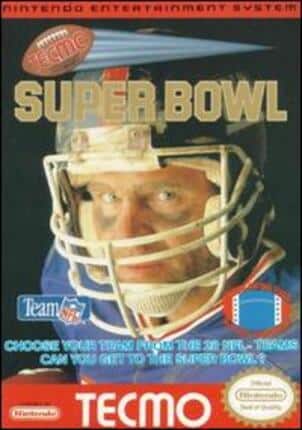
Tecmo Super Bowl hit NES shelves in December 1991, the sequel to Tecmo Bowl from four years earlier, and it changed the genre by doing something that sounds almost too simple to matter — using real team names and real player names in the same game. Earlier football titles, from Tecmo and everyone else, had to pick one or the other. Tecmo Super Bowl was the first video game ever licensed by both the NFL and the NFL Players Association at once, which meant the Raiders were the Raiders, and Bo Jackson was Bo Jackson, running at a speed the developers later admitted they programmed to feel “unstoppable.” It worked. Decades later, people still argue about banning him from tournament play.
That real-roster leap wasn’t cheap. Tecmo Super Bowl launched at $54.99, making it one of the priciest cartridges on NES shelves at a time when most games sold for around $40. Retailers didn’t seem to mind the sticker shock. Nearly a year after release, it was still topping Babbage’s NES sales charts through the fall of 1992, an unusually long shelf life for a sports title in an era when publishers pushed out a new edition almost every year.
Not every quarterback made the cut. Jim Kelly, Bernie Kosar, and Randall Cunningham had their own individual marketing deals that conflicted with the new NFLPA license, so Tecmo listed them as generic “QB Bills,” “QB Browns,” and “QB Eagles” instead. Everyone playing knew exactly who they were anyway. It’s the kind of workaround that only makes sense in an industry still figuring out what athlete licensing was supposed to look like.
The roster gimmick came with real substance behind it. A full 28-team league. Deeper playbooks than Tecmo Bowl ever offered. In-season stat tracking and player substitutions that actually mattered once your starting running back got hurt. ESPN has since called it the greatest sports video game ever made, and it’s not hard to see why people still play it competitively — there are Tecmo Super Bowl tournaments running in Wisconsin more than three decades after the cartridge went out of print, with rosters modded to keep pace with every NFL season since.
If you’re chasing a complete copy today, it’s worth knowing this was a game people played into the ground rather than shelved. A $54.99 price tag in 1991 bought a lot of Sunday afternoons, and the box and manual wear on surviving copies reflects that. A cartridge that actually got used for years grades out differently than one that sat in a closet, and that’s worth understanding before you buy or sell one.
Lawrence Taylor’s linebacker deserves a mention too. Bo Jackson still gets top billing in NES folklore, but LT built a reputation of his own as one of the most feared defensive players a football game has ever put on a screen.