

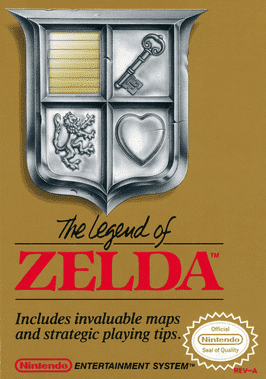
Pull a graded NES game out of its case and you’ll find one big number on the label. Most buyers stop reading right there. That’s a mistake, and a real Heritage Auctions listing proves it: a complete-in-box copy of The Legend of Zelda came back from WATA with an overall grade of 7.5, but the cartridge inside scored a 9.4 while the box itself only managed a 7.0. The manual, for what it’s worth, landed at 6.0. Same game, same submission, three different stories.
That gap isn’t a mistake on the grader’s part. It’s the whole system working as designed.
When a company like CGC or VGA grades a complete-in-box submission, they don’t just eyeball the package and spit out a single verdict. CGC’s own grading standards spell out that boxes, cartridges, manuals, and inserts each get evaluated on their own terms before the pieces combine into one CIB score. VGA goes further and prints the subgrades right on the label, so a buyer can see the box number and the cartridge number side by side instead of guessing which one dragged the average down.
Here’s why that split matters. A cartridge just sits in a drawer or a console slot. Its label can get scuffed from being slid in and out, and dirt or sticker residue builds up over the years, but a cart that spent three decades untouched in a closet can come out looking close to new. A box lives a rougher life. It gets stacked on a shelf, wedged between other games, thrown in a bag, exposed to sunlight that fades the ink. Corner dings, crushed edges, and torn flaps happen to cardboard in ways that just don’t happen to a solid plastic shell. That’s exactly the pattern in the Zelda listing above: a cartridge that hardly saw daylight, sitting inside a box that saw normal life.
Zelda’s box has a quirk that makes this even more interesting. Nintendo cut a window into the front of the case so the gold-colored cartridge peeked through before you even opened it, a packaging choice meant to make the game look like something special on a store shelf. It’s a nice piece of trivia, but it also means the box had one more surface exposed to wear that other NES packaging didn’t.
The practical takeaway for anyone buying graded games instead of just admiring them: read the subgrades, not just the headline number. A 7.5 CIB with a near-mint cartridge and a rough box is a very different purchase than a 7.5 where everything wore evenly, even though the label out front looks identical. It’s the same reason we walk through how our own grading process works before anyone submits a game — knowing which piece is driving the number changes what you’re willing to pay for it.
This is also why sourcing matters as much as grading does. We’ve written before about the mess that surfaced when a $1.56 million Mario sale exposed grading’s biggest controversy, and separately about how something as small as a mismatched serial number between a box and cartridge can tank an otherwise mint copy. Subgrades and married-parts checks exist for the same reason: a box and the cartridge that came in it don’t always share the same history, and the paperwork should say so.
Next time you see a graded NES game listed with one clean number, ask for the breakdown. If the seller can’t give you a box grade, a cart grade, and a manual grade separately, that 7.5 is telling you a lot less than it looks like it is.