

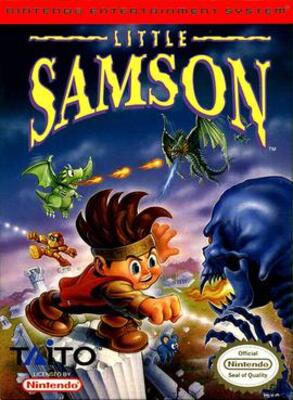
Somebody finally lists a real copy of Little Samson, and you jump on it before you can talk yourself out of the price. It shows up fast. The label looks right, the cartridge feels right, and something about the whole transaction nags at you anyway. That instinct is worth trusting, because Little Samson is one of the most reproduced cartridges in the entire NES library, and the reason is simple math: authentic copies are scarce enough that a convincing fake can sell for real money before anyone checks.
Taito published Little Samson in 1992, right as the NES was losing shelf space to the Super Nintendo. A late release and a thin marketing push meant a small print run, and small print runs age into high prices. That’s the pattern graders see over and over: a game gets expensive, then reproduction boards show up to meet demand nobody can fill honestly. Stadium Events works the same way. Repro copies of it circulate openly on sites like Etsy, priced for buyers who know exactly what they’re getting, and sellers who sometimes hope you don’t.
So what actually separates a real board from a repro one? Start with the screws. Nintendo sealed most NES cartridges with a 3.8mm gamebit security screw, not a Phillips head. A cartridge held together with the wrong hardware has been opened at some point, and that’s worth a second look before anything else. Next comes the board itself. Authentic Nintendo boards carry consistent manufacturer markings and chip date codes that line up with a game’s actual release window. Reproduction boards tend to run unmarked or generic chips, sometimes flash-based, because sourcing period-correct mask ROMs isn’t something a repro seller can do at scale.
Then there’s the part collectors miss because it sounds boring: the lockout chip. Nintendo built its 10NES authentication chip into every licensed NES cartridge specifically to stop unlicensed carts from running on the console at all, and it’s been documented since the system’s earliest days. A repro board either fakes that chip’s handshake or skips it entirely, which a careful look inside the shell can reveal. None of this requires a lab. It requires knowing what a genuine board looks like before you go looking for a fake one.
Label printing tells its own story. Factory labels were offset-printed, with flat, even color and crisp type. Reproduction labels, even good ones, tend to run a shade too saturated or a little too glossy, like a home printer trying to imitate a printing press. Set next to a verified original, most repros give themselves away inside a few seconds. Set alone, with no comparison photo in reach, they’re a lot more convincing than anyone wants to admit.
This is exactly the gap grading exists to close. Opening a submission isn’t just scoring a cartridge’s shine and scuffs. It’s confirming the thing in front of us is what it claims to be before a number ever goes near it. Our gallery of graded copies is full of games that went through that check, Little Samson included. If population reports and grading numbers are new territory for you, we broke down what those figures actually tell you in an earlier post, worth a read before your next big purchase.
The internet made rare NES games easier to find than they’ve ever been. It also made faking them easier than ever. A little skepticism, and a screwdriver you don’t even need to use, still goes a long way.