

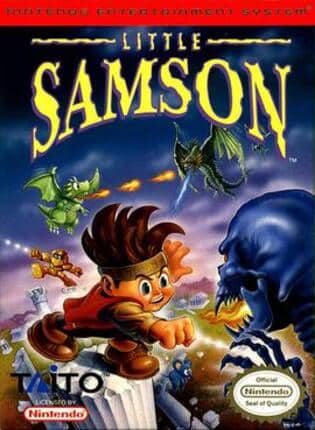
Somebody posted a Super Mario Bros. cartridge graded a flawless CGC 9.8 last month and watched it sit for two weeks without a real offer. A few days later, a beat-up, water-stained copy of Little Samson — grade 6.5, box long gone — sold in under an hour for more than four times as much. Same hobby. Same grading scale. Completely different outcomes.
That gap trips up a lot of newer collectors, because “higher grade means higher price” is the assumption everyone starts with. It’s wrong often enough to be worth understanding why.
The confusion usually traces back to how people read a population report. CGC’s own population report page spells out the limit plainly: the numbers reflect only “the quantities and types of collectibles previously graded,” and the company says outright that a pop report is “not an indicator of value or rarity.” That’s the part collectors skip. A population count measures submissions, not survivors. It tells you how many owners decided a copy was worth the grading fee, not how many copies actually exist in the wild.
Super Mario Bros. sold in the tens of millions across North America. Decades later, plenty of those copies are still around, and during the grading boom of the past several years, thousands of owners pulled a spare cartridge from a drawer and mailed it in. The result is a population report packed at nearly every grade, six through ten. A 9.8 is technically uncommon on paper. It isn’t scarce in any way that matters, because the game itself was never scarce. There’s always another one coming.
Little Samson tells the opposite story. Taito published it in North America in November 1992, one of the last third-party NES releases before the console’s commercial life wound down, and it arrived with almost no marketing while shoppers were already eyeing the Super NES. It sold poorly and vanished from shelves fast. A real reprint never came. Grading companies simply don’t see many copies of it, at any grade, because there were never many copies to begin with. A 6.5 with a torn label still represents genuine scarcity. Sale records for the game show graded copies going anywhere from around $500 to well past $10,000 depending on completeness and condition — territory a beat-up Mario cartridge will never reach, no matter what number is on its label.
That’s the real lesson hiding in a population report. A “1 of 3 known at this grade” line can mean a game is genuinely rare. It can just as easily mean almost nobody has bothered submitting raw copies yet. Reading it correctly means asking what you already know about a game’s print run, its release window, and how many collectors are actively chasing it, rather than staring at the count sitting next to the grade.
It’s also why the number on the label is only half the story for us. A copy’s history — how many were made and how it survived — shapes its value as much as the grade stamped on the case. We see that population question come up constantly in our own queue, and it’s a close cousin to the scrutiny that follows a game once its price jumps into WATA-scandal territory. Grade alone rarely tells the whole story.
If you want to see how that plays out across real cartridges side by side, the gallery of graded games on our site has plenty worth comparing.