

Walk into any American living room in 1989 and there’s a decent chance the exact same ten NES cartridges were stacked next to the TV. Not because everyone had identical taste. Because Nintendo bundled two of them with the console itself, and the rest sold in numbers that are hard to picture now. We pulled the real sales figures — not guesses, not “legendary classic” hand-waving — and ranked the ten biggest sellers in NES history. A few of the results might surprise you.
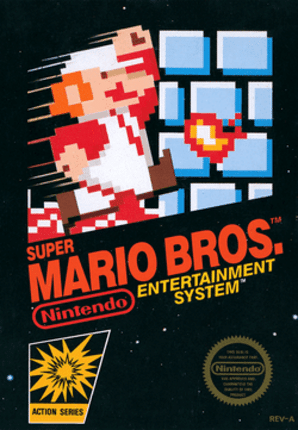
1. Super Mario Bros. — 40.24 million
Bundled with most NES consoles starting in 1985, Super Mario Bros. isn’t just the best-selling NES game. It’s one of the best-selling video games ever made on any platform. Shigeru Miyamoto’s original platformer sold in numbers that dwarf everything else on this list, largely because most buyers never had a choice — it came in the box.
2. Duck Hunt — 28.31 million
The NES’s other pack-in title. Duck Hunt rode the same bundling strategy to a number most standalone games could never touch, and it’s the reason so many collectors’ first cartridge memory involves pointing a plastic gun at a smirking dog.
3. Super Mario Bros. 3 — 18 million
No bundling boost here — just a genuinely massive standalone hit, helped along by a starring role in the 1989 film The Wizard, which doubled as a feature-length commercial for the game months before release.
4. Tetris — 8 million
The NES version, not the Game Boy pack-in most people remember first. Nintendo secured the console rights separately from the handheld deal, and 8 million cartridges later, the puzzle game more than justified the fight over who actually owned it.
5. Super Mario Bros. 2 — 7.46 million
Built from a reskinned Japanese game called Doki Doki Panic, as covered in our Super Mario Bros. 2 spotlight, this one proves a “fake” sequel can still be a real blockbuster.
6. The Legend of Zelda — 6.51 million
No pack-in help, no movie tie-in — just a battery-backed save chip and an overworld players actually wanted to get lost in, a story we dug into in our Legend of Zelda spotlight.
7. Dr. Mario — 4.85 million
Proof that Nintendo could take a puzzle formula and make it feel like a Mario game just by putting Mario in a lab coat.
8. Zelda II: The Adventure of Link — 4.38 million
A sequel that swapped exploration for side-scrolling combat and experience points, detailed in our Zelda II spotlight. Divisive at the time, still moved more copies than almost anything else on NES.
9. Excitebike — 4.16 million
An early Nintendo R&D1 racer that doubled as one of the first console games with a built-in track editor, letting players save their own custom courses to the Famicom Disk System in Japan.
10. Golf — 4.01 million
Simple, sold in the millions, and later famous as the game Steve Wozniak reportedly obsessed over trying to complete under Nintendo’s near-impossible target scores.
Here’s the part that matters if you collect: sales volume and graded scarcity are two completely different numbers. A game that sold 40 million copies got played, loaned out, sun-faded on a windowsill, and stuffed loose into a drawer far more often than it got preserved. High population doesn’t automatically mean an easy find — it means an easy find in played condition. A genuinely clean, complete-in-box copy of even a pack-in title can still be tougher to track down than the sales figure alone would suggest, which is exactly why grading exists: the number on the cartridge tells you how many were made, not how many survived in the shape collectors actually want. Browse our gallery of graded games to see what condition actually looks like across some of these same titles.
Sales figures compiled from Nintendo’s own reporting and corroborating industry sources, via Wikipedia’s list of best-selling NES games.