

You knew a kid whose game stayed in the closet, still wrapped in plastic, untouched since some Christmas in the late 1980s. Nobody dared open it. It just sat there, this odd little monument to restraint in a house full of cartridges with the labels rubbed half off. Nobody thought that plastic would ever be worth anything. It is now, and that has created a problem nobody saw coming back then: people faking it.
The sealed vintage game market has grown large enough that reproducing a factory seal has become its own small, ugly industry. A resealed game isn’t automatically a scam — retailers sometimes rewrapped a game after a quality check, long before it ever reached a shelf. The scam version happens later, at retail or well after, when someone rewraps an opened cartridge and sells it as never-touched. Telling the two apart, or catching an outright fake, comes down to details most collectors never think to check.
Start with the seam itself. Nintendo didn’t wrap every console generation the same way. NES and Game Boy titles from the factory used what graders call an H-seam: one straight horizontal seam running across the back of the box, meeting two seams down the sides. Super Nintendo and Nintendo 64 games generally used a V-seam instead, and the overlapping “Y-fold” wrap common on modern collectibles wasn’t part of Nintendo’s process in the NES era at all. A supposedly factory-sealed NES box with a Y-fold seal isn’t just unusual. It’s a direct contradiction of how Nintendo actually shrink-wrapped these games, and it’s one of the first things an authenticator checks.
Color break is the other tell that’s hard to fake. Cardboard flexes when a box opens, and that stress cracks the ink right where the flaps meet the back panel — a thin, telltale line. A box that’s genuinely never been opened won’t have it. Age matters too. Authentic 1980s shrink wrap yellows, stiffens, and develops a particular brittle texture over three and a half decades; wrap applied last year to fake an old seal almost never ages convincingly, and it usually skips the tear strip that factory seals included as standard.
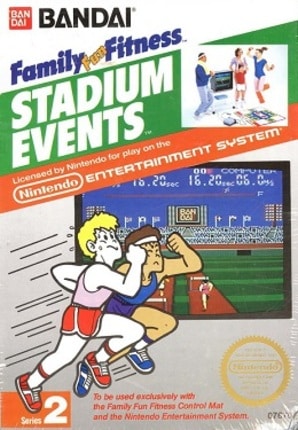
Stadium Events is the case study collectors bring up more than any other. Bandai pulled the fitness game after a licensing dispute in 1989 and reissued it as World Class Track Meet, leaving maybe a couple thousand copies of the original in circulation — a rarity already covered in our rundown of the rarest NES cartridges. A genuine sealed copy sold for $41,300 on eBay in February 2010 after ten days of bidding. Around the same time, a separate “sealed” listing spiked past $800,000 before collectors started picking it apart in the comments, pointing to stock photos and a telltale ripple in the plastic where it should have sat flat against the box. Real sealed wrap sits tight. That listing’s wrap didn’t, and the story collapsed along with it.
None of this replaces professional grading, and it isn’t meant to. It’s the same groundwork a grader walks through before a seal ever gets a number, the kind of detail our own breakdown of what actually makes a grade gets into further. Knowing what an H-seam looks like, or why a color break matters, turns a five-figure purchase from a leap of faith into something closer to an informed one. If you’re ever unsure whether a “sealed” copy is what it claims, that’s exactly what grading is for.