

Somebody always finds the shoebox in the attic. Inside is a loose NES cartridge, decades of dust ground into the label, contacts gone green at the edges. The instinct is always the same: grab a rag, grab whatever’s under the sink, and make the thing look new again. That instinct is exactly how a perfectly honest, perfectly original cartridge ends up disclosed as “cleaned” for the rest of its life.
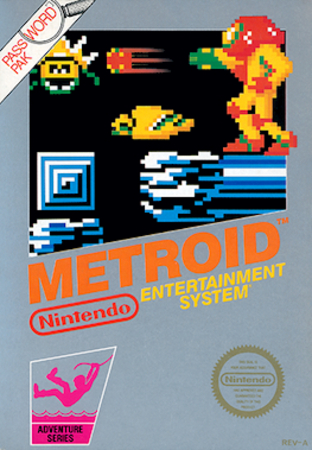
Metroid is the cartridge that makes this easiest to see. Most NES games shipped in gray plastic with a busy, forgiving label design. Metroid shipped in solid black plastic with a stark yellow label, a direct nod to the “yellow label” marketing stunt Nintendo ran to flag its tougher, more mysterious titles. That combination is unforgiving. A swipe of alcohol that would barely register on a cluttered gray-shell label shows up on black plastic and yellow print like a fingerprint on a clean mirror. Collectors have been trading cautionary photos of scuffed Metroid carts for years, and it’s become something close to a textbook example in grading circles.
Here’s the part that surprises people outside the hobby: a cartridge doesn’t need visible scratches to get flagged. The damage that actually matters is usually invisible until you know what you’re looking at. Original label printing from the 1980s has a specific texture and a specific sheen, built into the ink and the laminate during manufacturing. Rub that surface with isopropyl alcohol, acetone, a melamine sponge, or anything abrasive enough to lift decades of grime, and you also lift a thin layer of that original finish. The label still shows the right artwork. It just doesn’t catch light the way an untouched one does anymore, and a trained eye picks that up in seconds.
This is why “cleaned” functions as its own disclosed condition in the retro market, separate from both “new” and “well-worn.” Browse completed cartridge listings and you’ll see sellers specifically call out “cleaned and tested” as a distinct category, because buyers price it differently than an identical game that simply sat untouched in a drawer for thirty years. An untouched surface, even a grimy one, still has information on it. A cleaned surface has had that information partially erased, and there’s no way to put it back.
None of this means cartridges should stay filthy. Dirty contacts cause real functional problems, and nobody’s suggesting you leave corrosion eating into a connector to preserve some theoretical grade. The distinction graders and serious collectors draw is between the contacts and the label. Clean the pins carefully, with the same careful-handling mindset we cover in our guide to spotting reproduction cartridges. Leave the label alone unless you’re prepared to live with the result, because polish it once and that decision is permanent.
It’s a strange quirk of this hobby that doing nothing is often the correct move. A hazy, decades-old label with its original texture intact will typically grade and sell better than a glossy-looking cartridge that’s been scrubbed back to “new.” If you’re sitting on a stack of loose carts and wondering what an untouched original actually looks like next to the alternative, our gallery of previously graded games is a good place to start.
If you want a deeper, more technical rundown of what’s genuinely safe to clean on an old cartridge, RetroRGB’s cleaning guide is a solid reference before you touch anything with a yellow label again.